Advisory For CEOs, CTOs, boards, and investors

The right technology decision starts with finding the real constraint.

When an important initiative is underperforming, or a major technology or investment decision is on the table, the obvious technology answer may not be the right one. I find what is really in the way, determine what should change, and guide your team to measurable progress.

Independent technology judgment. No predetermined solution to sell.

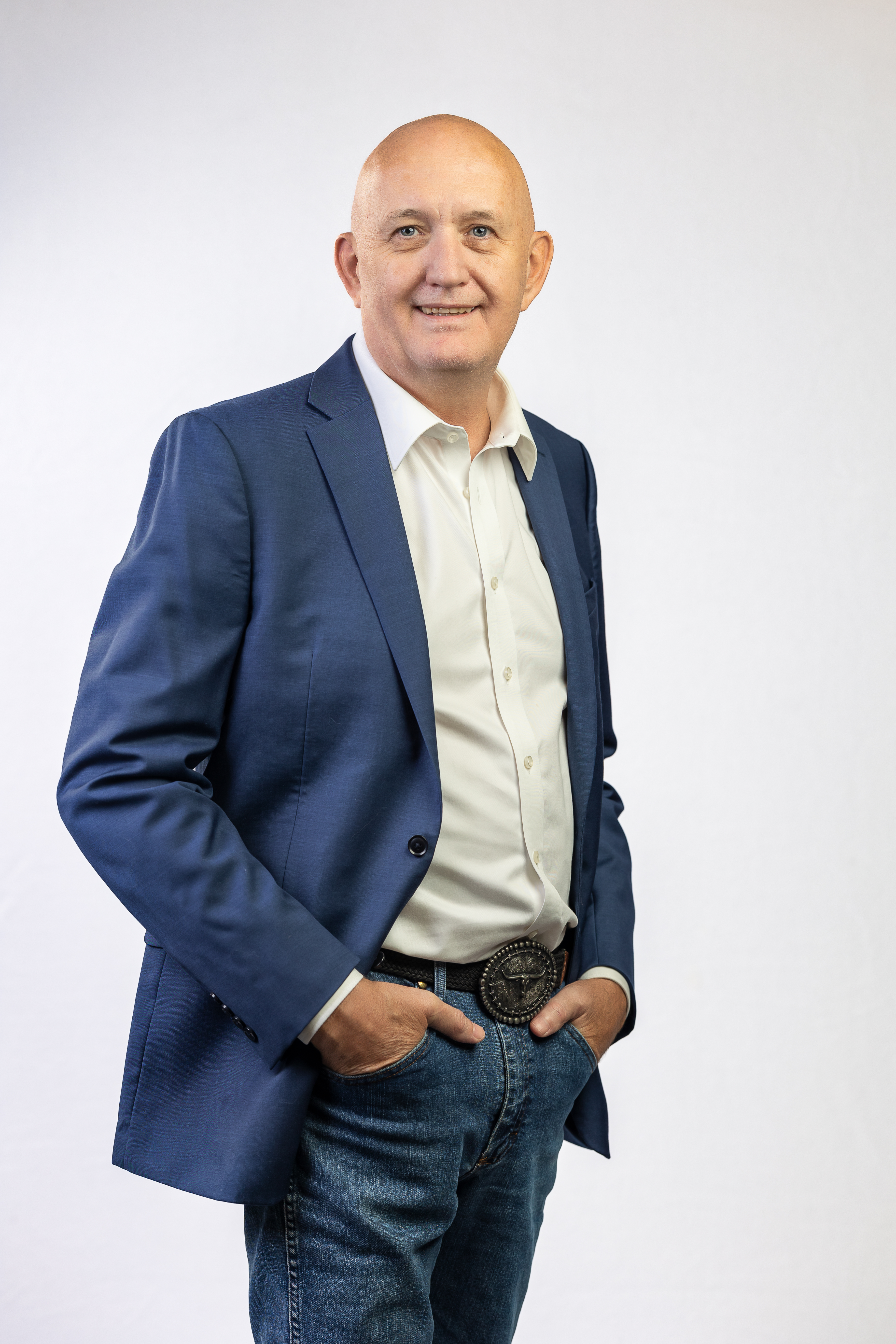
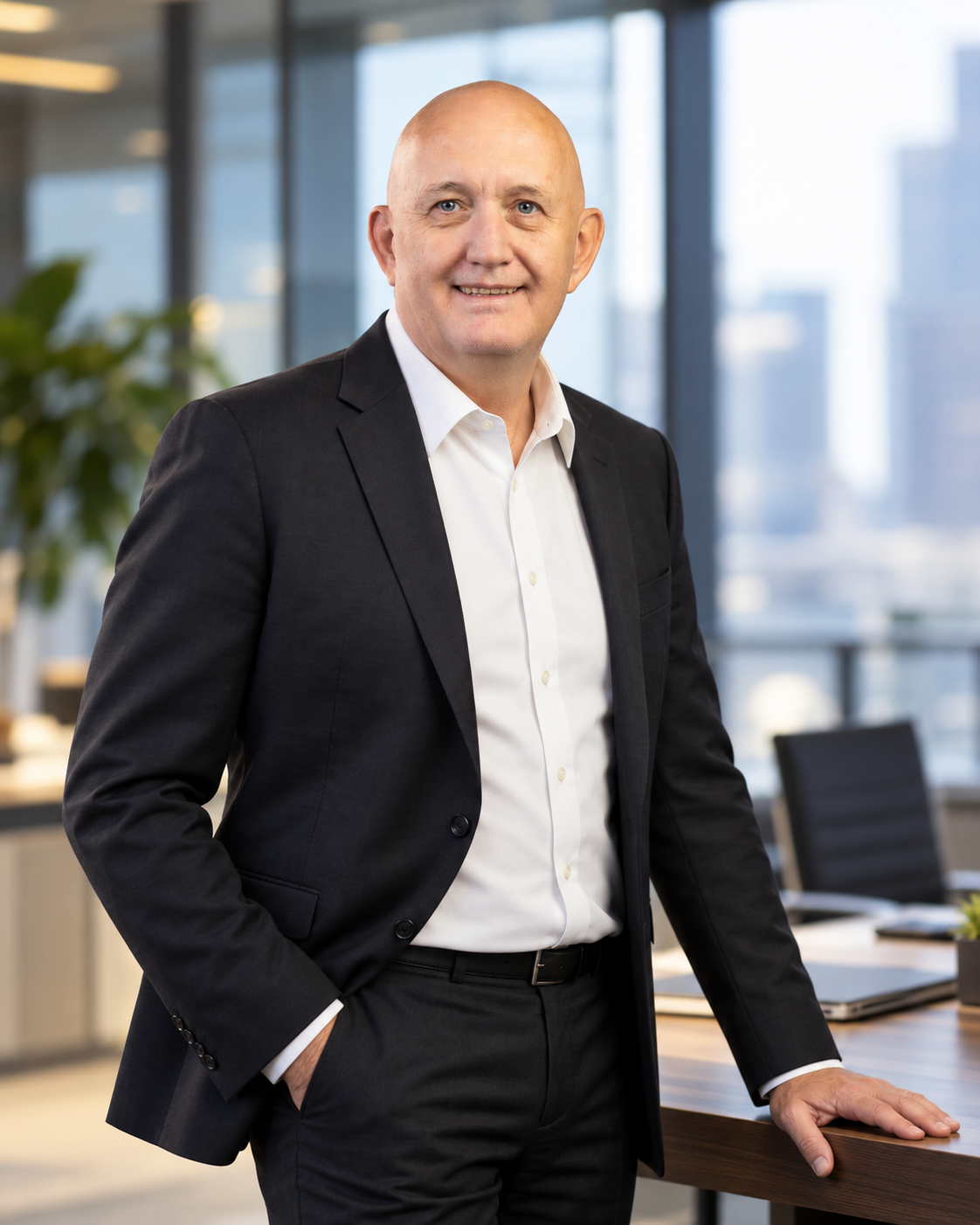
Ronnie Barnard

I’m an independent Technology Initiative Advisor with more than 30 years of experience, from hands-on engineering to the CTO and CIO seat. Leaders bring me in when the stakes are high, the path forward is unclear, or an important initiative isn’t delivering.

Trusted when the stakes are high

30+ years
in software, architecture, and technology leadership
Boardroom to code
CTO, CIO, chief architect, and hands-on engineering experience
4 continents
of hands-on work in complex technology businesses
Patented
named inventor on a medical device patent
Experience across financial services, compliance technology, state government, medical technology, SaaS, and PE/VC-backed growth companies.
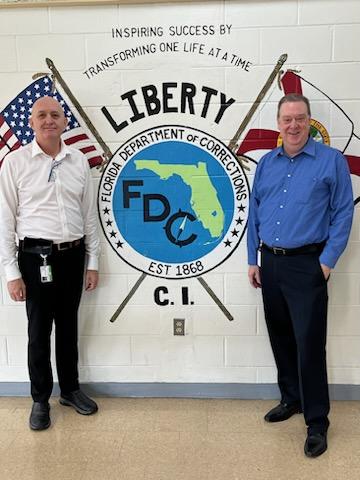
The mind behind CLEO, the Florida Department of Corrections’ secure AI assistant featured in Government Technology.

The real problem

Sound familiar?

High stakes. Mixed signals. No clear answer yet.

“We’ve added developers, and we’re still behind.” “We’re about to commit to a major transformation. Is it the right one?” “We’re looking at an acquisition. Can the technology carry the plan?” “Everyone wants AI. Does it actually make sense for us?” “Growth is slowing, and we can’t tell whether technology is the cause.” “We’ve spent a fortune, and we’re still not seeing the value.”

Whether an initiative is falling short or a major decision is coming, you need to know what is really going on before you commit more.

Each of these leads to a sensible response. A late initiative gets more project management. An overloaded team gets more developers. Slow reports get a new reporting tool. A struggling AI pilot gets more AI. A big decision gets the biggest option on the table.

But the place where a problem shows up is rarely the place where it starts. The cause often sits somewhere else: in the architecture, the workflow, the data, the way teams are organized, or an assumption made years ago that nobody questions anymore.

It usually isn’t as simple as a talent problem. Capable teams can still get trapped working around the wrong constraint.

The technology problem you see is rarely the problem you need to solve.

48%
of digital initiatives meet or exceed their business targets. The rest fall short.
Gartner survey of 3,100+ CIOs and 1,100+ executives, 2024
45%
average budget overrun on large IT projects, which also deliver 56% less value than predicted.
McKinsey and University of Oxford study of 5,400+ IT projects
95%
of generative AI pilots show no measurable impact on profit and loss.
MIT NANDA, The GenAI Divide, 2025
The investment is there. The value isn’t. That gap is where I work.

What you get back

What’s in it for you

Here’s what you get back.

An initiative that isn’t delivering costs more than money. Remove what’s really blocking it, and you recover what it’s been taking from you.

A credible path to launch

Delivery, timeline, evidence.

Understand what is preventing delivery, what must change, and what timeline the evidence supports.

Your budget

Spend where it changes the result.

Stop funding fixes aimed at the wrong problem. Spend where it changes the result.

Your team’s momentum

Alignment, priorities, fewer arguments.

One shared explanation of the problem, clear priorities, and far fewer arguments about what’s wrong.

Your board’s confidence

Evidence-backed answers.

A clear, evidence-backed answer to “What’s really wrong, and what are we doing about it?”

A clearer path to scale

Onboarding, capacity, growth.

Identify what is constraining onboarding, capacity, reporting or growth; and what must change to remove it.

Decision confidence

Continue, change, or stop.

Know what to continue, change, or stop, and exactly why.

Clarity first. Then confidence. Then progress.

Get an independent view →

Why work with me

Be the leader who fixed the right problem.

I don’t start with a prescribed solution. I start by finding what is really driving the outcome.

Here’s what that means for you:

Senior technology executive

I don’t start with AI, a new platform, or more developers. The fix is chosen after the real problem is found, not before.

I don't begin with AI, a platform replacement, a rebuild or more developers. The evidence determines what intervention makes sense.

I work with CEOs and boards on risk and investment, and with architects and engineers on how the system really behaves. Then I translate.

Big problems don’t always need big transformation programs. The right change can sometimes unlock more value than a rebuild.

Where needed, I stay involved through key decisions, implementation guidance and progress reviews.

No blame and no ego. High-stakes work is demanding enough. I work alongside your people to find the cause and make it work.

While others are still debating the symptoms, you’ll be acting on the cause.

Find the constraint. Choose the right intervention. Move with evidence.

Proof

Results

What looked wrong. What was actually wrong.

Three initiatives. Three problems hiding somewhere else.

Sometimes the answer comes fast.

A founding team hit a wall before launch. Their AI product kept giving confused, made-up answers, and nothing they tried fixed it. Thirty minutes into our first call, the cause was clear: the AI’s core instructions were being rewritten in the middle of each conversation. They launched a few weeks later.

Most engagements take longer. The discipline is the same.

Testimonials

In their words

From the people who’ve worked beside me.

A founding partner and a longtime colleague on what changes when I get involved.

“
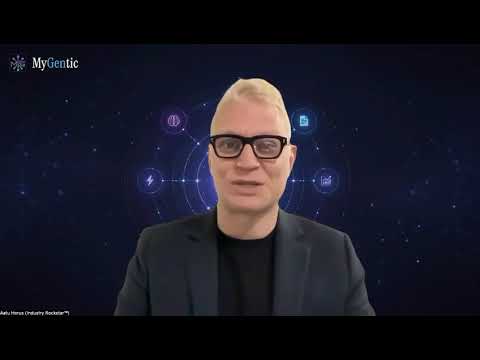
“I’ve worked with Ronnie as a collaborator inside the MyGentic ecosystem, and he’s the kind of partner you want when the work gets real. Ronnie doesn’t treat AI as a slide deck or a shiny demo. He thinks in systems. Strategy, leadership, and execution in the same conversation. He can sit with CEOs and technical leaders, cut through the noise, and land on what actually has to change for AI to create ROI instead of another pilot that dies in a committee. What I respect most is how he holds both sides: the deep technical curiosity (memory, architecture, what models can and can’t do) and the business reality (people, process, and whether the organization can absorb the change). That combination is rare.”
Wesley Longueira, Founding Partner, MyGentic
“
“Before meeting Ronnie, I was focused primarily on execution and results. After working with him, my mindset around leadership, accountability, and long-term growth completely changed. Ronnie challenges people to think bigger, raise their standards, and become better versions of themselves, while still being incredibly supportive. I’m a stronger professional, and person, because of the time I’ve spent working with him.”
Marc Harting, worked with and for Ronnie since 2016

Watch

Hear it directly from the people I’ve worked with.

How I work

Five steps from uncertainty to measurable value.

The Technology Unlock Framework is a disciplined sequence for initiatives that are underperforming, overcomplicated, or not delivering the value expected. It starts with the business outcome you’re trying to reach, not with a technology someone has already chosen.

Step 01

Decode

What is really happening?

I build a clear picture of the outcome you want, the system you have, and every fix already tried.

Step 02

Isolate

What is actually holding it back?

Most struggling initiatives show dozens of visible problems. Usually only one or two are limiting everything else.

Step 03

Reframe

What problem should we be solving?

We redefine the problem around its real cause. That may confirm the current plan, change it, or stop it.

Step 04

Unlock

What must change now?

We identify and guide the change with the greatest leverage — architecture, workflow, team structure, automation, AI, or a single decision.

Step 05

Realize

What can the business do now that it couldn’t before?

Success is measured in business outcomes: launches, productivity, capacity, risk reduction, growth, and investment value. Not in software shipped.

Experience spots the pattern fast. Evidence earns the fix.

Read the full method

Technology Unlock Framework: Finding the Constraint Behind the Symptom

The white paper covers why capable teams get trapped fixing symptoms, the five steps in detail, three full case studies, and how to tell when you need an outside diagnosis and when you don’t.

Download the white paper →

For investors and advisors

For PE, VC, and investment partners

Know what the technology can really carry before you commit the capital.

Have experienced technology judgment available when the findings need to become action

Demos, roadmaps, and management presentations tell one story. The architecture, the data, and the team tell the real one. I look past the pitch to answer the questions your investment depends on:

  • Can this technology deliver what management says it can?
  • What will break as the company scales?
  • What hidden constraint could stall the investment thesis?
  • How much capital or restructuring will the fix really take?
  • Is the company solving the right problem?

After the deal, I can work with founders, boards, operating partners, and engineering leaders to remove what diligence uncovered, recover stalled initiatives, and confirm that the value was actually created.

Investigate before. Intervene where needed. Verify the value.

Bring me in as the senior technology advisor on your deal or advisory team. You get independent, experienced judgment inside a portfolio company without building that capability in-house.

The engagements

Ways to work together

Start with a clear diagnosis. Go as far as you need.

Every engagement is led by me personally, delivered mostly remotely, and built around one question: what is actually preventing this from succeeding?

Technology Initiative Diagnostic
01

Technology Initiative Diagnostic

For: Leaders who need to know why an important initiative isn’t delivering as expected.

What happens: Executive and team interviews, a review of goals and progress to date, an assessment of past fixes, and a look at architecture and team structure where relevant.

You leave with: A clear, evidence-based answer to what’s actually stopping progress, presented in an executive findings session and documented with key risks.

Format: Defined scope, not open-ended. Delivered remotely.

Technology Initiative Diagnostic + DirectionRecommended starting point
02

Technology Initiative Diagnostic + Direction

For: Leaders who know they need to act and want to act on the right thing.

What happens: Everything in the Diagnostic, plus a reframed problem statement, options, a recommended direction, priorities, decision points, sequencing, ownership, and initial implementation guidance.

You leave with: What’s really wrong, what should change, and what happens next.

Technology Initiative Guided Unlock
03

Technology Initiative Guided Unlock

For: Organizations that want me alongside while the fix is carried out.

What happens: Executive advisory sessions, architecture guidance, progress reviews, course correction, knowledge transfer, and team training. AI guidance where AI is the right answer.

You leave with: Measurable progress, tracked against the business outcome agreed at the start.

Format: Mostly remote. From a short intervention to several months, generally no more than six.

Executive Technology Advisory
04

Executive Technology Advisory

For: CEOs, boards, and founders facing consequential technology decisions.

Typical questions: Continue, redirect, or stop? Stabilize, rebuild, or replace? Is the roadmap credible? Is AI the right move here?

You leave with: Experienced, independent judgment before you commit, including a Reframe Document: the new problem definition, the future architecture that removes the constraint, and the roadmap to get there.

Investment & Portfolio Technology Advisory
05

Investment & Portfolio Technology Advisory

For: PE and VC firms, operating partners, and advisory teams.

Pre-investment: Technical and product diligence covering scalability, architecture, team, technology risk, and the assumptions behind the investment.

Post-investment: Portfolio technology assessment, constraint identification, technology value creation, and intervention when key initiatives stall.

You leave with: A clear view of whether the technology can carry the investment thesis, and what it will take to get there.

I work hands-on with your leaders and technology teams. I don’t supply developers or outsourced build capacity.

Book a confidential conversation →
Ronnie Barnard

About Ronnie

What you see depends on where you stand.

I grew up on a farm in South Africa, far from city lights. Every night, the Milky Way filled the sky. The first time I looked up from a city, I could count the stars on two hands. The others hadn’t gone anywhere. The noise was hiding them.

Technology initiatives work the same way. The cause is usually there. It’s just buried under the noise.

I wrote my first business system at nine: bookkeeping and point of sale for my mother’s shop, saved on cassette tape. She ran her shop on it for a long time.

Since then, I’ve worked as a developer, architect, CTO, CIO, and advisor across four continents. I was employee number nine at a medical device company that grew from about $300,000 to $80 million in annual revenue in under five years, and I helped launch three versions of its product. I’ve designed a world-first electronic vehicle identification system and high-volume financial platforms, and architected AI that turned a state agency’s data into answers on demand.

At every level, I saw the same pattern: capable people working hard on the wrong problem, getting better at working around it instead of removing it. That frustration became my work.

Today I work from Dallas-Fort Worth, Texas, with clients in the U.S. and beyond. I take on a small number of engagements each year, so every client gets my full attention.

Best Technologist of the Year
CSIR, South Africa, 1996
Named inventor
on a medical device patent and three related publications
Stanford Who’s Who
Honored Member, Executive Professionals and Entrepreneurs, 2011
Co-Founder
Infogility AI
CTO-level technical leader
MyGentic
STEM advocate
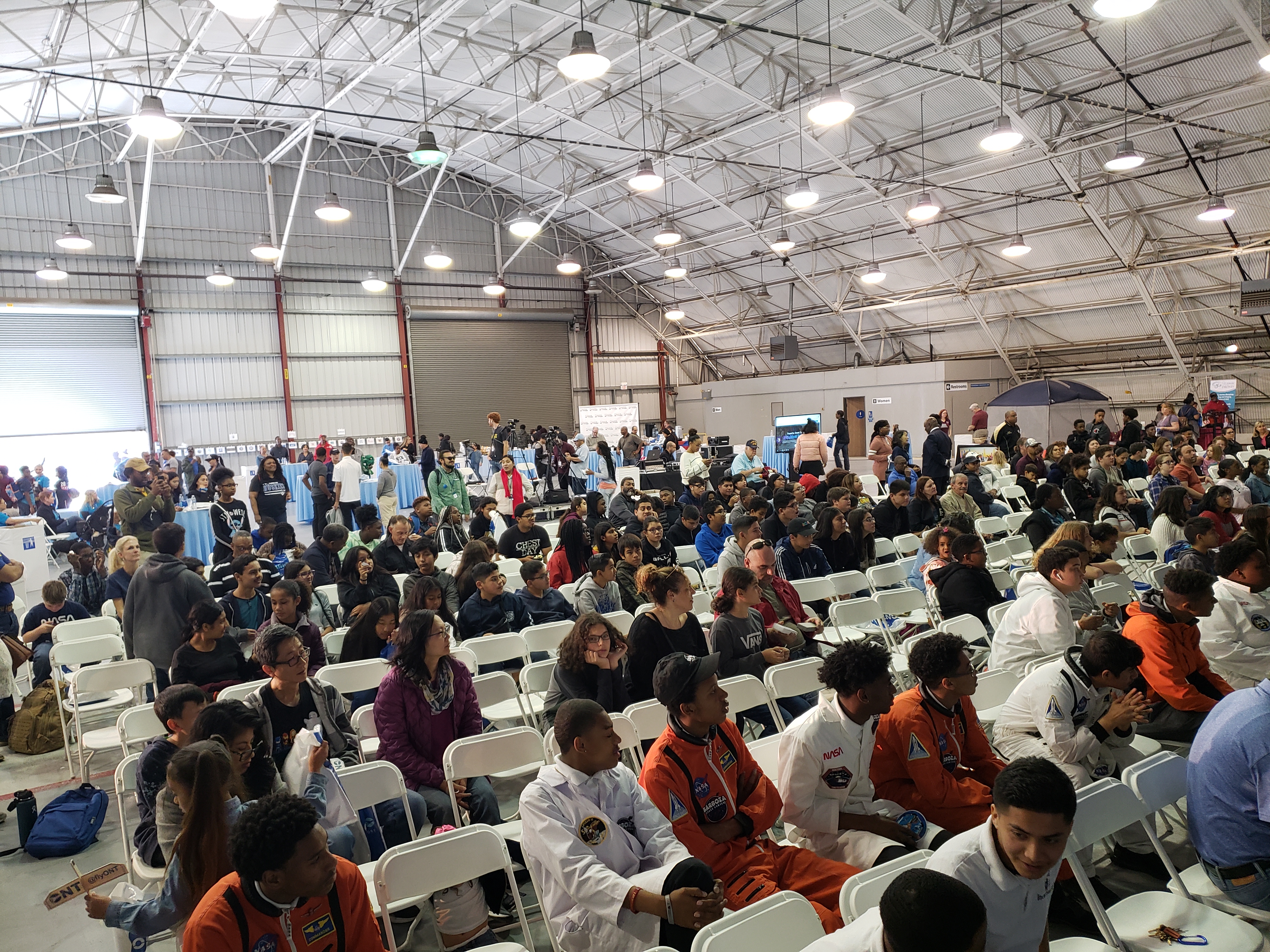
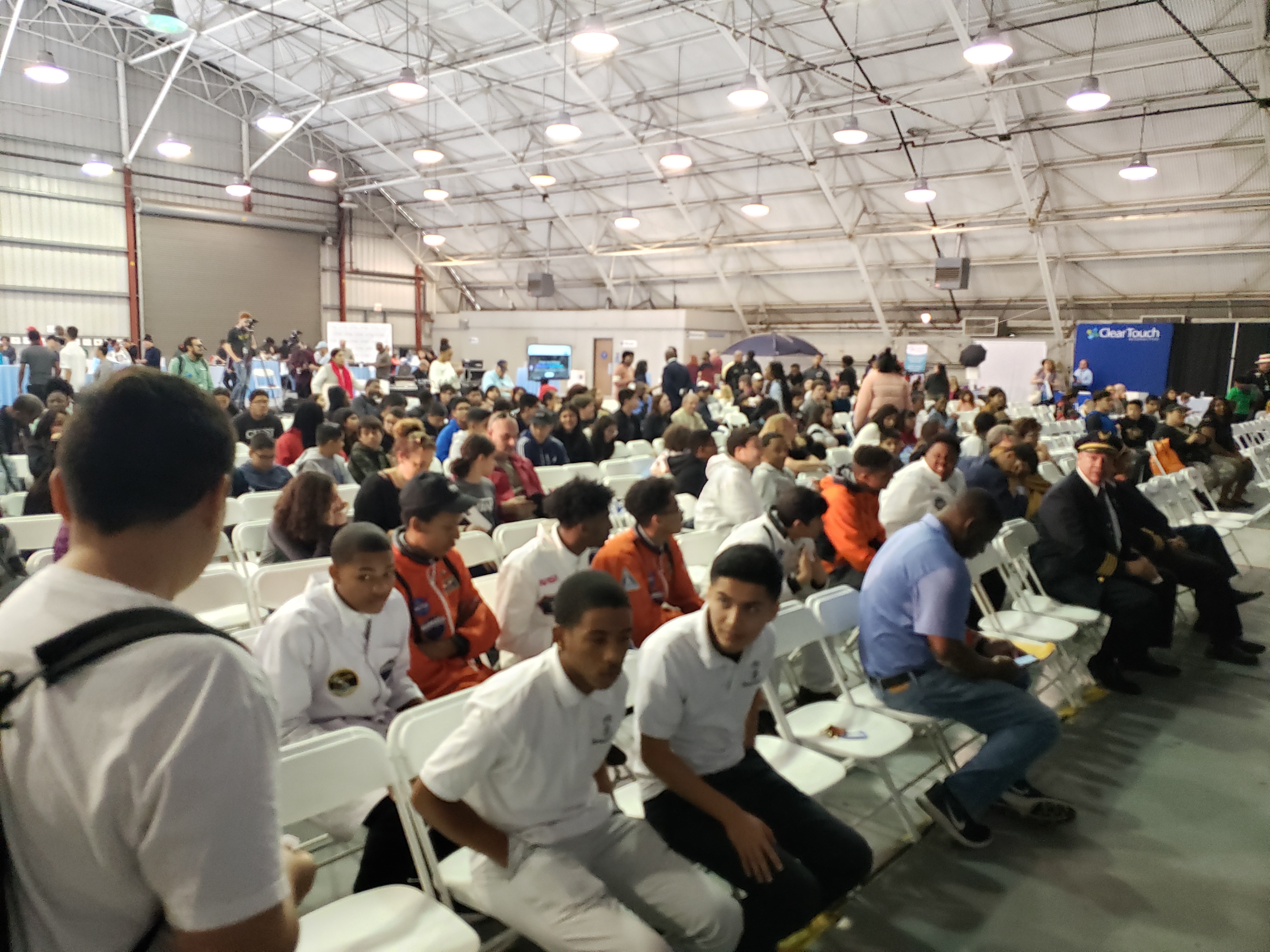
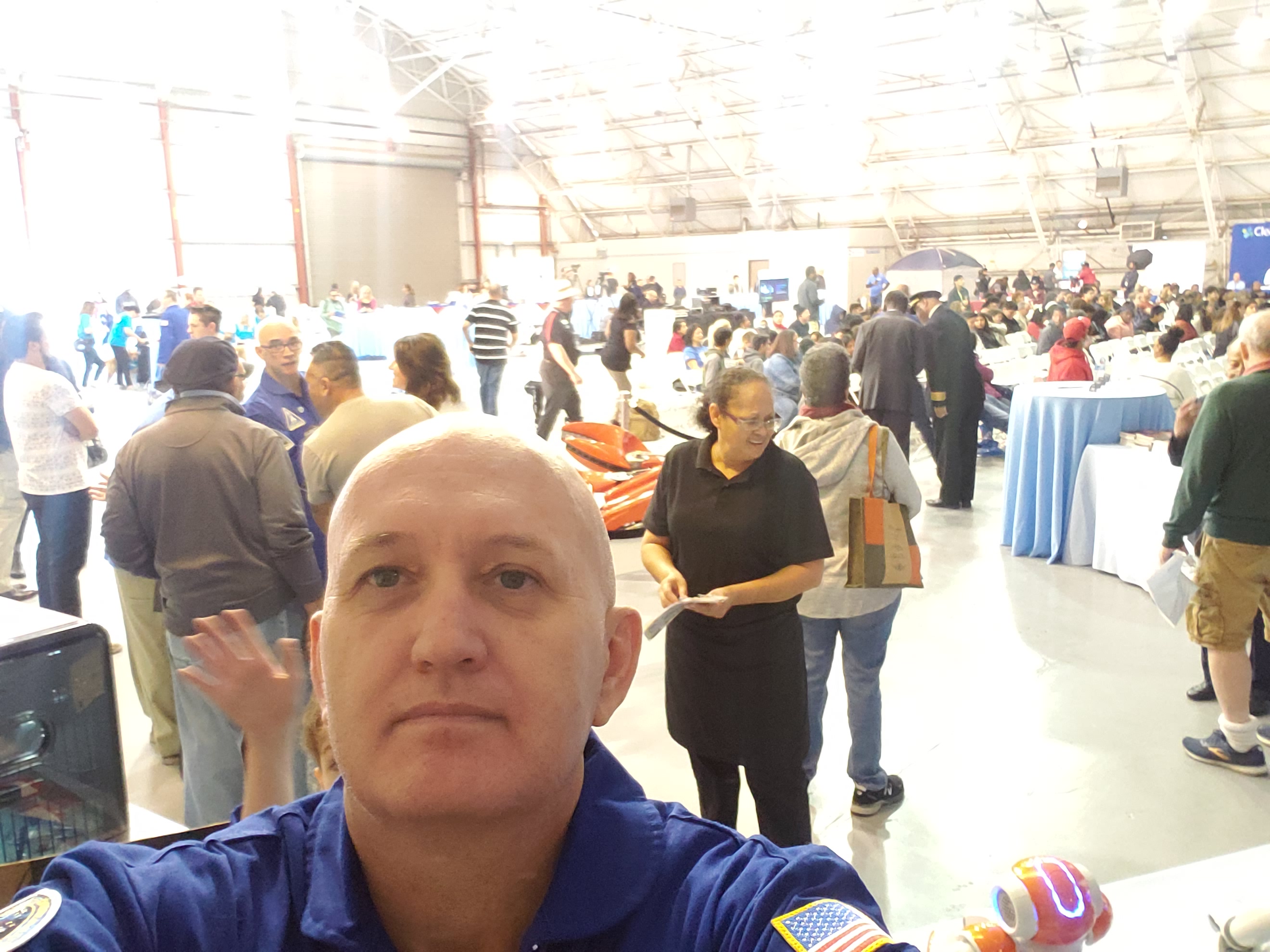
Co-hosted a space and science event for high school students with Ontario International Airport’s Pathways program, 2020

FAQ

Questions leaders ask

I’m Ronnie Barnard, an independent Technology Initiative Advisor based in Dallas-Fort Worth, Texas. I help CEOs, boards, and investors understand what is really preventing technology from delivering the business outcome they expect. I bring more than 30 years of CTO, CIO, architecture, and hands-on technology experience to high-stakes initiatives, investment decisions, and portfolio-company challenges. I don’t sell software or development capacity. I provide the independent judgment needed to find the real constraint, decide what should change, and stay involved where needed until progress is measurable.

When an important initiative isn’t delivering the value expected, when a major technology or investment decision is coming, or when capable people strongly disagree about what the problem is. Common signs include budget or headcount rising without proportional progress, slipping milestones, costs or support volume growing faster than customers, and AI pilots that never reach production. If the problem is already well understood and you simply need more hands, you may not need me.

Not primarily. I work at the point where technology strategy, architecture, and business outcomes meet. Sometimes that includes fractional CTO/CIO leadership, but usually around a specific business challenge, transformation, or high-stakes decision rather than simply running the technology department.

Yes. PE and VC firms, operating partners, and advisory teams bring me in for independent technology diligence before an investment and to identify or remove technology constraints inside portfolio companies afterward. That can include architecture, scalability, engineering capability, data, AI readiness, technical debt, and the technology assumptions behind the investment thesis.

No. I can work deeply with architecture, data, AI, and engineering teams, but I don’t sell developer capacity. I work with your team and your chosen partners to make sure the right problem is being solved and the solution stays aligned with the business outcome.

I’m based in Dallas-Fort Worth, Texas, and work with clients across the U.S. and internationally. Most of the work happens remotely through interviews, working sessions, and document and architecture reviews. I travel for short on-site periods when being in the room makes a real difference.

A Diagnostic has a defined scope and is not open-ended. A Guided Unlock runs from a short intervention to several months, generally no longer than six.

Let’s find what’s really in the way.

Before you spend more time, money, or people on it, make sure you’re solving the right problem.

Start with a confidential conversation. Tell me what’s not delivering the expected value, what’s been tried, and what it’s costing you. Not every difficult initiative needs an outside advisor. The conversation will show whether yours does.